The New Eyes of Farming

Introduction
Agriculture is becoming a hotbed of activity for AI. An almost $3.0 billion industry, computer vision AI is leading the charge to give local and industrial farmers and the services and supply chains that aid food production opportunities to effectively forecast, eliminate waste, and reduce repetitive labor costs, creating more room for highly skilled workers. Amniscient's CEO and Founder, Suresh Yamanchili weighed in during a guest editorial feature for the AI Journal.
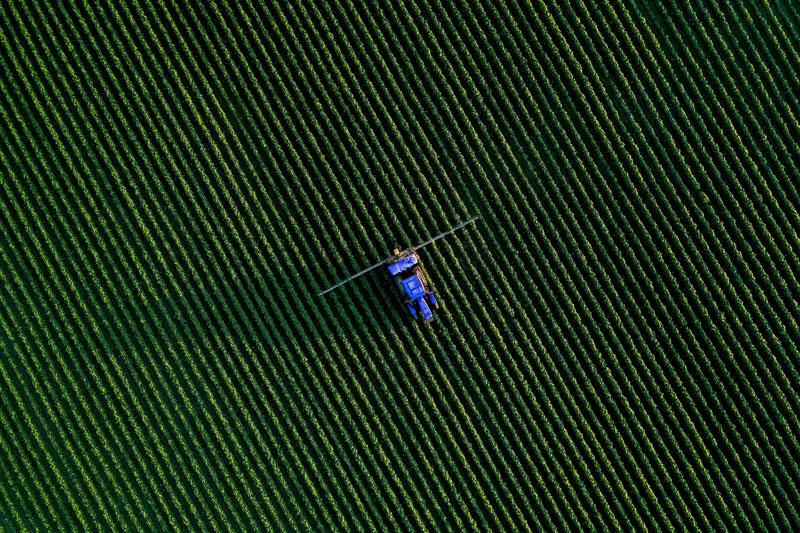
Key Takeaways
- Computer Vision has the potential to aid and contribute to every part of the farming supply chain, impacting the speed of getting product to market, real-time decision making regarding environmental impact, and optimization for higher quality produce.
- Existing hardware and machinery can benefit from computer vision AI. Tractor, drones, and smartphone apps make "high texh theory" plug and play.
- Over-reliance on labor is being counter balanced with computer vision. Repetitive tasks like fruit picking or plant counting can be augmented with computer vision.
From Amniscient's CEO and Founder, Suresh Yamanchilli: "The agricultural sector is undergoing a significant transformation, driven by rapid technology advancements. According to Market.us, Artificial Intelligence (AI) in agriculture market revenue reached $1.8 billion in 2024 and is expected to expand to $2.4 billion in 2025 and $3.0 billion in 2026. Computer vision AI is at the forefront of this revolution, enabling farmers, both industrial and local, to make data-driven decisions that enhance financial and operational efficiencies, sustainability, and resilience in food production."
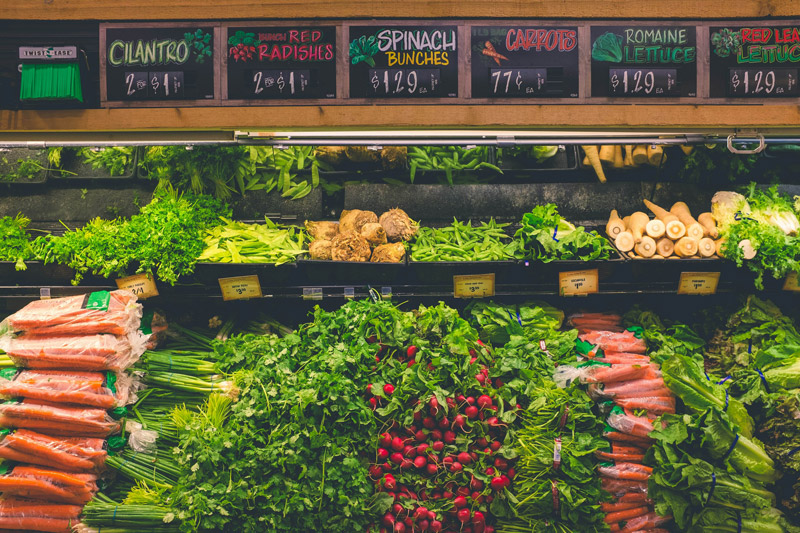
Amniscient's platform and engine were built from the ground up to specifically address the challenges that agricultural services and operators deal with every day. At every stage of the product lifecycle, there are opportunities to augment operational speed, product quality, and revenue. Amniscient's tech stack, including AmniSphere, is the only product in the AgTech category that can be retrofitted, with minimal modifications if any, to existing hardware, without sacrificing accuracy. Find out more or talk to one of our experts.





.webp)

